

How often should you clean your ears? There are many different answers to this question out there, which only leads to confusion and could mean putting your ear health at risk.
One of the reasons for this is that the best ear cleaning frequency can vary depending on numerous factors, including age, overall health, and more. Learn more about this process and when professional cleaning could be warranted.
“Cleaning” vs. Natural Wax Cycle
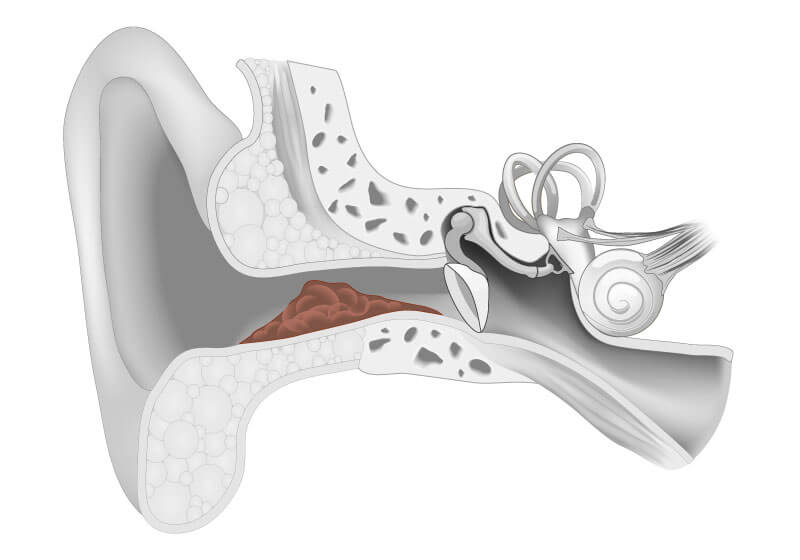
Do you need to clean your ears? Your ears self-clean, so you generally don’t need to clean the inside often. Instead, you can benefit more from allowing your body to do what it naturally does. To understand how the ear cleans itself, it’s important to know a bit about the natural wax cycle.
This cycle starts with the glands in the outer part of the ear canal producing wax, which is a mixture of hair, dead skin cells, and secretions. Then the migration process starts, which involves the outward movement of the skin lining the ear canal. You can think of it like a conveyor belt. This movement shifts the wax toward the ear opening.
Many normal, everyday movements like yawning or chewing help with this migration. They massage the wax out along the canal, toward the outside. Once it reaches the outer ear, the wax begins to dry and flake off. It often falls out on its own or gets washed away when you take a shower.
When considering the question “How often should you clean your ears?” remember that the natural wax cycle offers a number of benefits. It protects the eardrum and inner ear by trapping dust and debris, for example. This means that overdoing the cleaning by removing ear wax early can be harmful.
Why Less Is More
Cleaning your ears too often can cause active harm. Removing wax allows debris to make it into the ear canal, making infections much more likely. Wax also has antibacterial properties, so it helps to protect the ear. At the same time, it moisturizes the skin of the ear canal, which helps to prevent itching and dryness.
If you engage in frequent cleaning, including using cotton swabs or other similar objects, you risk disrupting this cycle. It pushes the wax back into the canal and could even cause it to compact against the eardrum.
Signs You May Be Overdoing It
If you have listened to the wrong ear hygiene tips and have cleaned your ears too often, there are signs that could warn you that you may have overdone it. One of the most common is experiencing dryness. This can lead to irritation of the skin in the ear as well as itching.
If you’ve tried to clean the wax out with a cotton swab and instead pushed the wax further in, you could end up with issues like a feeling of fullness. Your hearing could also be affected, leading you to hear muffled sounds or even experience pain and ringing in the ears.
When Cleaning Is Warranted
There are instances, however, when professional cleaning could be necessary. If you produce a lot of wax, then relying on a cleaning every few months could be a good option. How much earwax is normal? There is no set amount because every individual is different.
If you find that you often have clogged ear canals and experience muffled hearing because of earwax accumulation, then it could mean that you tend to produce more of it than your body can remove on its own.
It may also be necessary to get a cleaning if you notice balance issues or dizziness. This could mean that the earwax is pressing on the eardrum. If you notice foul odors coming from your ear, that could also indicate an issue that needs to be addressed.
Another sign that is not often connected with wax buildup is if you find yourself coughing more often or if you notice that your throat is frequently irritated. This can occur if your vagus nerve is being stimulated by excess wax collection.
Age-Related Considerations
Age-related considerations for earwax cleaning also exist. Children, for example, have narrow ear canals, so earwax can build up more rapidly. They may also use earbuds more often, which could push the wax further in.
Seniors could also benefit from more regular earwax cleaning. As you age, it is common for wax to become drier and harder. This makes it less able to move up the canal. It’s fairly common for seniors to experience wax impaction and blockage. Using hearing aids, too, can mean the wax gets pushed further in.
When to See a Professional
If you have noticed a change in your hearing or if you have a feeling of fullness or even pain in your ear, it may be time to speak with an audiologist. To get a sense of the issue, your audiologist will conduct an evaluation. They can then decide on the most appropriate way of managing the wax buildup.
Microsuction services can help most people. During this procedure, a handheld device with a tube creates gentle suction to help vacuum the wax out of the canal. It’s most appropriate for mild to moderate blockages. If you have eardrum issues, this is the option that your audiologist is most likely to rely on.
For some people, irrigation could be the right option. This involves gently flushing out the ear canal. This treatment can be beneficial for those with hard, compacted wax.
A professional can also give you some tips on preventing further wax impaction. This can include limiting the amount of time you use earbuds, if possible, and cleaning only your outer ear.
Happy Ears as Your Trusted Partner
When looking to address earwax buildup and audiologist services that can offer the right level of care, you don’t have to go any further than the team at Happy Ears Hearing Center. We offer professional ear cleaning in Arizona to help you remove the earwax that could be impacting your hearing and your overall comfort.
