 Donate by November 25, 2024
Having the right fit for your hearing aids makes a world of difference. You want your everyday experience with them to be comfortable and practical.
If you’re not sure which to choose, a thorough comparison of in-the-ear vs. behind-the-ear hearing aids is in order. Both options are effective at treating hearing loss, but they suit different needs and lifestyles.
Here’s what you should consider when choosing between in-the-ear vs. behind-the-ear hearing aids.
What Are In-the-Ear (ITE) Hearing Aids?
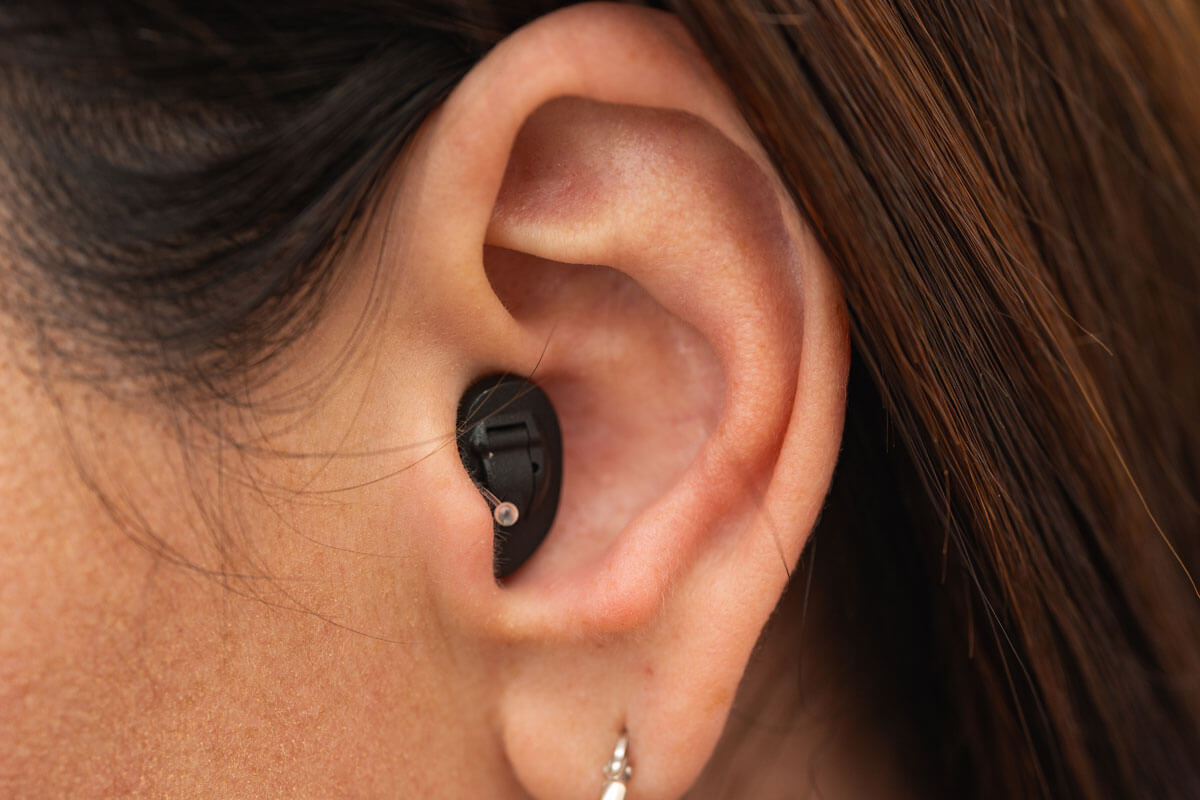
In-the-ear hearing aids fit snugly into your outer ear. They’re custom-made to fit your ear canal.
The pros of in-the-ear hearing aids include:
- Discreet look
- Low-profile
- Easy insertion and removal
- No external tubing or wiring
- Snug, comfortable fit
Folks with mild to moderate hearing loss usually benefit the most from ITE hearing aids. They have just enough technology to enhance the sounds around you without overblowing the volume and being distracting.
However, ITE hearing aids aren’t for everyone.
Due to their smaller size, in-the-ear hearing aids don’t come with as many technologically advanced features. Their battery life can also be short.
If you have dexterity issues, in-the-ear hearing aids can be harder to manipulate using your hands. These hearing aids must fit tightly inside your outer ear to work properly.
ITE hearing aids are more vulnerable to wax and moisture buildup since they rest inside your ears. They may require more cleaning and maintenance because of this.
What Are Behind-the-Ear (BTE) Hearing Aids?
Behind-the-ear hearing aids are larger and rest behind your ear. They connect to a piece that rests inside your ear canal, often called a dome or ear mold, using a wire or special tube.
Behind-the-ear hearing aid benefits are plentiful, thanks to modern technology. They work wonders for those with hearing loss that ranges from mild to profound.
Due to their greater size, BTE hearing aids allow for more powerful sound amplification. They also typically boast a bigger battery life and more advanced features, like Bluetooth connectivity to other devices.
BTE hearing aids are easier to manipulate and clean since they’re larger. They’re often rechargeable, which allows for comfortable sleeping and reliable use throughout the day.
Cons of BTE hearing aids include:
- More visibility (easier to see them)
- Interference with glasses or masks
- Bulky feel
- Slightly less user-friendly
If you have moderate to severe hearing loss, the pros will likely outweigh the cons of these types of hearing aids.
ITE vs. BTE Hearing Aids: Key Differences at a Glance
So which is better: in-the-ear or behind-the-ear hearing aids? Let’s zoom out and look at the key features of each hearing aid type.
| Feature | In-the-Ear Hearing Aids | Behind-the-Ear Hearing Aids |
| Visibility | Less visible, more discreet | More visible, less discreet |
| Comfort | Small and snug | Bulkier |
| Sound amplification power | Mild to moderate | Mild to very powerful |
| Durability | More vulnerable to wear and tear | Very durable |
| Ease of use | Easier to insert and remove | Easier to grip and maneuver |
| Battery type | Disposable or rechargeable | Almost always rechargeable |
| Customization options | Custom-made to fit your ear canal | Usually mass-produced |
Keep in mind that you have plenty of options when it comes to both types of hearing aids. When comparing in-the-ear hearing aids vs. behind-the-ear hearing aids, one choice is not inherently superior.
How to Choose the Right Style for Your Needs
Looking at the types of hearing aids compared, which one stands out for your needs? Consider how your hearing aids will integrate into your daily life and address your hearing problems.
Hearing Loss Severity
Your degree of hearing loss matters when choosing a style. Folks with moderate to severe hearing loss often need behind-the-ear hearing aids, as they provide more sound amplification.
Lifestyle and Activity Level
How active are you? ITE hearing aids fit right into your ear canal, so you don’t have to worry about separate pieces and parts. BTE hearing aids are bigger and may interfere with activities more than you want them to.
Aesthetic Preferences
Looks play a role, too. If you want a more discreet aesthetic, ITE hearing aids are your best bet. BTE hearing aids are more noticeable at first glance.
Dexterity and Vision Limitations
If you have a hard time gripping and manipulating objects or struggle with vision problems, BTE hearing aids will be easier to work with. ITE hearing aids can be harder to grasp and place in your ears.
Budget
The price comparison between in-the-ear vs. behind-the-ear hearing aids is pretty equivalent. BTE hearing aids may be slightly less expensive if they don’t come with advanced features and technology. ITE hearing aids are often pricier due to the size customizations that ensure they fit into your ears.
If your BTE hearing aids have lots of extra tech in them, chances are your cost comparison will be about equal to ITE hearing aids.
Remember to include the cost of a professional hearing evaluation in your hearing aid budget. You need the guidance of an audiologist to find the best option for your needs.
What About Rechargeable and Bluetooth Features?
These days, modern technology has paved the way for both hearing aid styles to have cool features. Both ITE and BTE hearing aids can come with Bluetooth connectivity and rechargeable batteries for your convenience.
The availability of these features depends more on the brand than the style of hearing aid you choose. The manufacturer and model of each hearing aid will determine the level of technology you can expect.
At Happy Ears Hearing Center, we carry hearing aid models from top brands like Phonak, Starkey, Oticon, and more. You get a wide selection from us!
Let an Audiologist Help You Decide
Working with a licensed audiologist makes all the difference when choosing the right hearing aids. They can evaluate your hearing and match the right style of hearing aid with your needs, preferences, and lifestyle.
Personalized fittings ensure your hearing aids are comfortable and won’t fall out or slip. Audiologists also offer periodic comfort checks and long-term care to make sure your hearing is always taken care of.
Professional guidance will greatly improve your hearing outcomes.
Schedule Your Hearing Aid Consultation Today
Take the next step in choosing between in-the-ear vs. behind-the-ear hearing aids. At Happy Ears Hearing Center, we can help match the right hearing aid style to each person looking for help.
Book a consultation with one of our audiologists today!
