

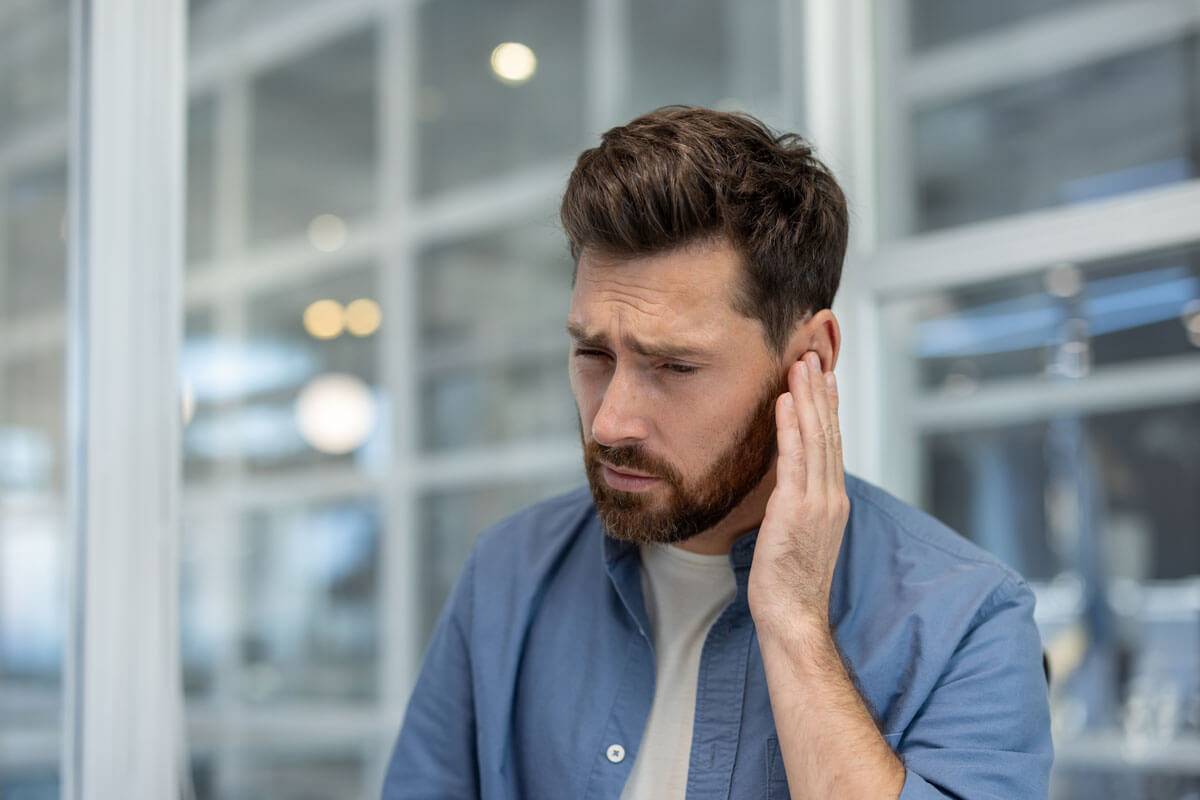
When you’re navigating your younger years, you often think you’re invincible. Health problems like hearing loss seem like a problem that’s far off in the future. Unfortunately, hearing loss in young adults is more common than you might think.
Your symptoms might be gradual and possibly undetectable at first. But over time, hearing damage adds up, and most helpful treatments don’t cure the problem.
Don’t panic. There are ways to protect your hearing now, and you can learn to recognize the smaller symptoms of hearing loss before they get worse. Here’s what you need to know as a young adult.
Can Young Adults Really Have Hearing Loss?
As a young person, you might ask yourself, “Am I too young for hearing loss?” The answer to this question might surprise you. Hearing loss can start at any age, but young adults, in particular, are especially at risk for noise-induced hearing problems.
It’s a common misconception that only elderly people suffer from hearing loss. And while older adults do have higher rates of hearing problems, this doesn’t mean young people are exempt from the risks.
Noise-Induced Hearing Loss
Some types of hearing loss are genetic and unavoidable. Others can be prevented. Noise-induced hearing loss falls in the “preventable” category.
Prolonged exposure to loud noise damages the delicate structures in your inner ear. Over time, these structures lose the ability to conduct sound or translate sound waves into recognizable noises for your brain.
That’s why it’s paramount to use adequate hearing protection at noisy events and in your daily life. You can protect your ears from permanent damage with simple lifestyle changes.
Illnesses and Injuries
While not always preventable, certain illnesses and injuries can contribute heavily to hearing damage and loss.
No matter your age, if you have repeated, severe ear infections or serious viral illnesses, you can experience hearing loss. Some head injuries can affect your hearing as well.
Recognizing hearing damage early can prevent it from progressing, especially if the root cause is treatable.
Common Early Signs of Hearing Loss
Hearing loss in young adults often comes with subtle symptoms, so it might not be obvious right away.
Early red flags for hearing problems include:
- Needing higher volume levels over time
- Difficulty hearing conversations
- Asking people to repeat sentences
- Not hearing notifications, alarms, or doorbells
- Ringing in your ears (tinnitus)
- Mental exhaustion after social events
If you notice any of these early warning signs, it’s time to get checked out by an audiologist.
Why Hearing Loss Often Goes Unnoticed
Many young people think they’re not old enough to have hearing problems. And indeed, their symptoms might not be severe enough for them to detect changes yet. But ignoring the early warning signs doesn’t make the risks go away.
Hearing loss symptoms are usually gradual rather than sudden. They get worse over time, but you may not notice anything amiss at first. This might lead you to believe your hearing is totally fine.
That’s why regular hearing care is so important. Your audiologist can spot early changes in your hearing patterns and intervene before the problem gets worse.
Noise Exposure and Modern Lifestyle Risks
Modern technology has made a lot of advancements in hearing care possible. It’s also raised the risk for noise-induced hearing loss with things like earbuds and loud concert speakers.
Young people like to go to concerts, loud bars, clubs, and other venues where sound levels exceed the recommended number of decibels. This is okay when you have proper hearing protection, but many young folks don’t wear any.
Without earplugs or protective headphones, fun activities like concerts and festivals can damage your hearing for life. Even everyday activities, like listening to loud music through your earbuds, can cause progressive damage. Don’t skip ear protection when you go somewhere noisy.
Tinnitus and Speech-in-Noise Struggles
Hearing loss doesn’t always present as straining to hear or blasting the volume on your devices. Two often overlooked symptoms are tinnitus and speech-in-noise struggles.
The Importance of Addressing Tinnitus
Tinnitus in young adults is often dismissed. However, ringing in your ears is not normal and must be addressed by a professional to avoid worsening symptoms. Tinnitus is often a sign that you’ve experienced some hearing loss already.
Aside from ringing, tinnitus might sound like:
- Pulses or “waves”
- Static
- High-pitched screeching
- Hissing
- Buzzing
- A constant flat tone
Some cases of tinnitus are constant, meaning the sounds don’t go away. In other cases, tinnitus symptoms can stop and start again intermittently.
This might sound like a benign problem, but tinnitus can wreak havoc on your mental health, sleep, and focus over time. Trying to sleep and participate in daily life with loud ringing in your ears is no easy task.
Speech-in-Noise Problems: Trouble Hearing When Other Sounds Are Present
You may also experience what audiologists refer to as “speech-in-noise” hearing problems. This means you have trouble focusing on and clearly hearing speech when other, louder noises are present.
Think of noises like traffic, television, and anything else that can cover up a person’s speech. Do you find yourself asking your conversation partner to speak louder or repeat themselves often? Are conversations at busy places like restaurants a chore?
If so, you might be facing speech-in-noise hearing problems, which are an early sign of hearing loss in young adults.
Why Early Testing Matters
Early intervention improves outcomes for almost all hearing loss cases. Once you recognize the early symptoms of hearing problems, a professional can help you prevent further damage.
Regular hearing exams can detect small changes in your hearing that you may not notice right away. This gives audiologists the chance to intervene and assist with your hearing before it gets worse.
As a young adult, you have the rest of your life ahead of you. Don’t wait to schedule a hearing exam if you notice concerning symptoms.
Frequently Asked Questions
Why can hearing tests miss hearing loss?
Standard hearing tests mainly measure your ability to hear tones in a quiet environment. Some forms of hearing loss, including hidden hearing loss, affect how you process speech and background noise in real-world situations rather than your ability to detect simple sounds.
Can you have hearing loss even though your test says your hearing is normal?
Yes. It’s possible to pass a standard hearing test while still struggling to understand conversations, especially in noisy environments. This may be related to hidden hearing loss or speech-in-noise processing difficulties.
Why do I struggle to hear conversations in noisy places?
Background noise can make it harder for the brain to separate speech from surrounding sounds. Difficulty hearing in restaurants, crowds, or group conversations is often one of the earliest signs of hearing changes in younger adults.
What are the signs of hidden hearing loss?
Signs may include tinnitus, listening fatigue, trouble understanding speech in noisy places, asking people to repeat themselves often, or feeling like others are mumbling even when hearing tests appear normal.
What should I do if I passed a hearing test but still can’t hear clearly?
You should still schedule a professional hearing evaluation if symptoms continue. Additional testing beyond a standard hearing test may help identify speech-in-noise issues, tinnitus-related concerns, or other early hearing problems before they worsen.
How Happy Ears Hearing Center Can Help
At Happy Ears Hearing Center, we provide comprehensive hearing healthcare. Our experienced audiologists can assess your hearing and help you explore effective solutions.
If you are experiencing premature hearing loss, our team will find the best accommodations and assistive devices for your needs. It’s never too late to improve your hearing experiences.
Regular hearing exams and testing go a long way in protecting your hearing for life. As a young person, you should prioritize your hearing health now to avoid worsening problems in the future.
Book an appointment with us to learn more about your hearing health.
