

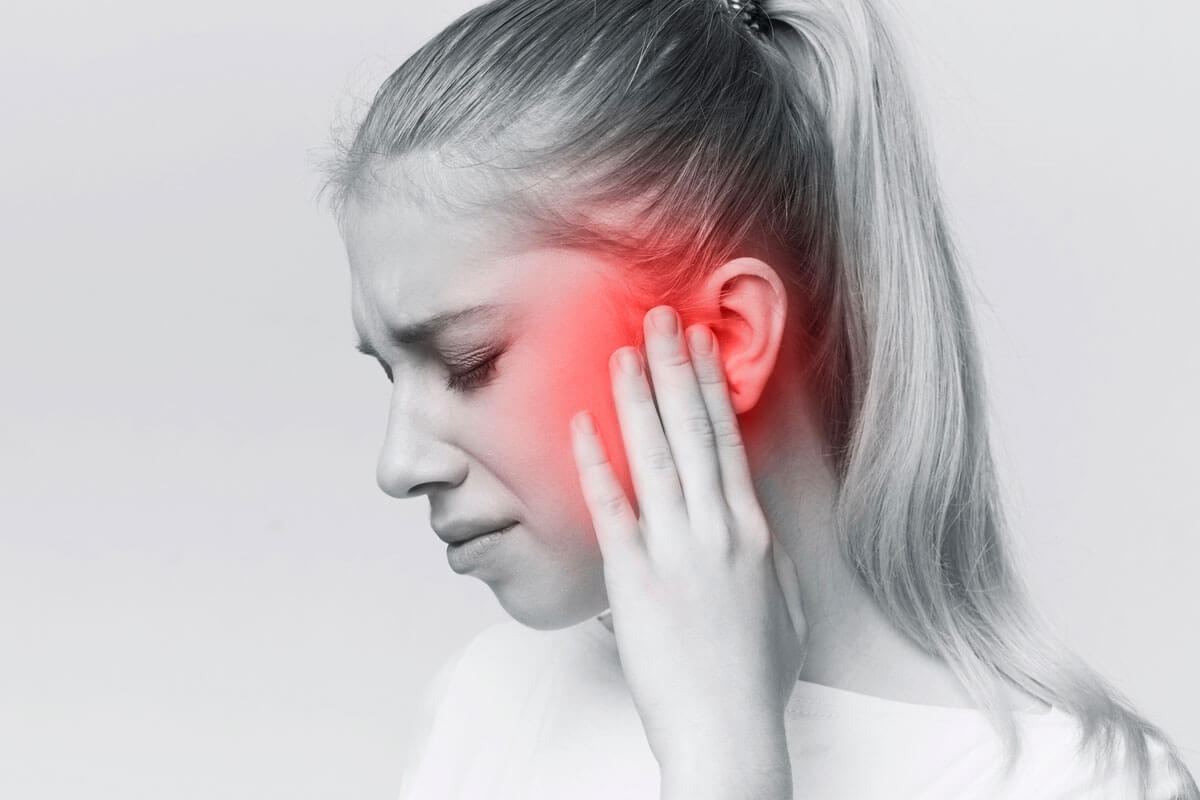
Sinus congestion refers to the feeling of fullness or even pain in your head, which can be the result of swelling in the tissues that line your sinus cavities. Your sinuses are air-filled spaces that help to trap germs and dust by creating mucus. If the tissues swell, these spaces get blocked, not allowing mucus to drain and leading to significant pressure.
This pressure can impact your ears, too. If you’ve ever asked yourself, “Why do my ears feel clogged with a cold?” and wondered why sinus congestion and ear pressure often appear together, there are some important things to know.
How Sinus Congestion Affects the Ears
Sinus congestion and ear pressure are closely connected. When your sinuses are swollen and clogged, your Eustachian tubes can have a much harder time draining. The Eustachian tubes connect the back of your throat to your middle ear.
They assist in balancing air pressure inside your ears while also draining any fluid in this part of your ear. Additionally, they protect your middle ear by closing when you’re not yawning or swallowing, blocking the passage of bacteria and viruses.
When these tubes clog because of sinus congestion, the fluid can’t drain, leading to buildup in your middle ear. This not only results in pressure that causes pain, but it can also make you much more likely to experience infections that could result in severe symptoms and lasting ear damage.
Common Symptoms of Sinus-Related Ear Pressure
Sinus-related ear problems can appear with a number of symptoms. These include:
- Feeling of fullness or blockage in the ears
- Ear pain
- Muffled hearing
- Balance problems
- Dizziness
- Throat irritation
- Post-nasal drip
- Facial pressure
- Popping or crackling sounds when yawning or swallowing
It’s possible to experience changes in your hearing, including temporary loss of certain pitches.
Can Sinus Congestion Lead to Hearing Loss?
Sinus pressure and hearing loss are also connected. The Eustachian tubes can get clogged, causing fluid to build up in the middle ear. This leads you to hear sounds as if you were underwater.
The pressure in your ear increases, preventing the middle ear bones and the eardrum from vibrating as they usually do. This results in conductive and temporary hearing loss.
Usually, this hearing loss improves when the sinus inflammation resolves, but there could be complications if the pressure isn’t addressed and the fluid is allowed to remain in the middle ear. Bacteria could build up and result in infections.
How to Relieve Ear Pressure From Sinus Congestion
When looking for how to relieve sinus ear pressure, it’s important to remember that the goal is to get the Eustachian tubes functioning correctly.
Hydrate
One of the ways to do this is to stay hydrated. Drinking fluids helps to make the mucus thinner, allowing it to drain from the ears and sinuses.
Use Saline Sprays
Saline nasal sprays are another important tool. They can help clear nasal passages, reducing inflammation in the sinuses. These are good options because they don’t irritate the passages.
Try Warm Compresses
You can also rely on warm compresses. Place these over the areas of your face that hurt. Typically, doing so over your nose or ears is the best way of addressing this problem. Not only does a warm compress help to ease pain, but it can also encourage the drainage of collected fluids.
Use Steam Inhalation
For some people, steam inhalation can be a great way of relieving sinus congestion. It can help relieve swelling and loosen mucus, which eases sinus pressure. You can do this by placing your head over a bowl of steaming water or having a shower.
If dry air is impacting your sinuses, as can occur during the winter, consider using a humidifier. Dry air can irritate the sinuses, so adding a bit of moisture can prevent congestion and ear pressure.
Avoid Irritants
It’s also important to avoid irritants like tobacco smoke. Even alcohol could further aggravate sinus issues because of the way that it dilates blood vessels, leading to more severe swelling. Many alcoholic drinks also contain histamines, which trigger allergy-like symptoms such as a runny or stuffy nose. This only makes sinus pressure worse.
Limit Use of Nasal Decongestants
Often, people immediately turn to nasal decongestants to help with sinus pressure. This could help in the short term, but it could cause rebound congestion. Overuse can even impact the lining of your nasal passages and hurt your nose hairs.
When to Seek Professional Help
Keeping an eye on your symptoms is vital if you’re dealing with sinus congestion and ear pressure. One of the first things to watch for is how long the discomfort lasts. If you notice that days go by without any improvement or if the pressure or pain gets worse, it’s time to contact professionals. The same is the case if you notice that your hearing has gotten worse.
Not addressing the issue promptly can mean facing other complications, like the development of fevers and facial swelling, along with significant hearing loss. If you realize that you’re suffering from this type of issue regularly, speaking with a professional could offer the medical guidance you need.
Watch for any sign of facial swelling, too, since that could point to more serious health issues that require immediate medical care.
How Happy Ears Hearing Center Can Help
At Happy Ears Hearing Center, our audiologist for ear pressure can assist you in understanding the underlying cause of what you’re struggling with. We offer extensive diagnostic and hearing healthcare services that can identify the cause of your ear pressure.
If sinus congestion is impacting your Eustachian tubes, then we can help you seek treatment strategies to prevent fluid buildup and its resulting infections. In instances in which you may have already lost some hearing from chronic pressure issues, we also provide an array of hearing technology options that can help you.
Don’t wait for the next sinus problem to impact your hearing. Contact the experts at one of Happy Ears Hearing Center locations – Gilbert, Peoria, Surprise, and Vistancia for a consultation.
