
If you’ve suffered hearing loss and are considering getting hearing aids, you may have come across information about them that has given you pause. Not everything you may learn is accurate, however, because there are numerous hearing aid myths out there.
One of the questions you may have after reading about these devices is, “Can hearing aids make hearing worse?” The answer is a resounding no. When they are properly fitted, they actually improve your hearing because an audiologist will carefully program the hearing aid to meet your exact needs.
Common concerns like these prevent too many people from getting help. Take a closer look at how to separate myth from fact for this type of hearing loss treatment.
Myth vs. Fact: Do Hearing Aids Damage Hearing?
So, can hearing aids make hearing worse? This is a common worry fueled by misinformation, and you may be hesitating to get the assistance you need because of it. Hearing aids do not damage hearing when they are fitted to address your level of hearing loss.
In fact, hearing aid devices are designed with safety features that prevent the amplification from being too loud. This ensures that you are always able to hear sounds within a comfortable range that won’t cause harm to your auditory system.
Why People Think Hearing Aids Make Hearing Worse
Hearing aid safety is often questioned because there’s a misconception that they will amplify sounds to overwhelming levels. Being exposed to continuous loud sounds can damage the hair cells in your inner ear’s cochlea.
If these suffer damage, they are not able to accurately convert sound signals that the brain can register. These cells don’t grow back and can’t heal, so the loss is generally permanent.
With a proper fitting, there are levels that the hearing aid will not surpass, however. This means that you do not have to worry about further damage to those delicate hair cells.
What Happens if Hearing Loss Goes Untreated?
Untreated hearing loss can affect more than your ability to hear. Over time, it may make everyday conversations, social situations, and even personal safety more difficult.
Some common risks of untreated hearing loss include:
- Communication challenges: You may struggle to follow conversations, especially in restaurants, group settings, or noisy environments.
- Listening fatigue: When your brain has to work harder to fill in missing sounds, you may feel more tired or overwhelmed by the end of the day.
- Social withdrawal: Difficulty hearing can make conversations frustrating, which may cause you to avoid gatherings or spend less time with loved ones.
- Safety concerns: You may miss important sounds like car horns, alarms, timers, doorbells, or someone calling your name.
- Mental health impacts: Untreated hearing loss can contribute to feelings of isolation, stress, anxiety, or depression.
- Cognitive strain: Hearing loss has been linked to an increased risk of cognitive decline and dementia, likely because the brain receives less sound input and has to work harder to process speech.
The good news is that hearing loss can often be managed with the right support. A hearing evaluation can help identify what is happening and whether hearing aids or other treatment options may help.
How Hearing Aids Actually Help
When it comes to hearing aids, benefits abound. They help improve speech comprehension by offering clarity even in busy environments. This reduces the need for repetition, which makes people self-conscious and might prevent them from socializing. Hearing aids also reduce listening effort, which lessens the strain on your brain, helping to avoid mental fatigue.
People who experience hearing loss often develop tinnitus. This is a condition in which you hear ringing, buzzing, or other similar sounds in your ears without any external cause. Tinnitus can be frustrating and might even be loud enough to interfere with sleep or conversations. Hearing aids provide relief from these symptoms.
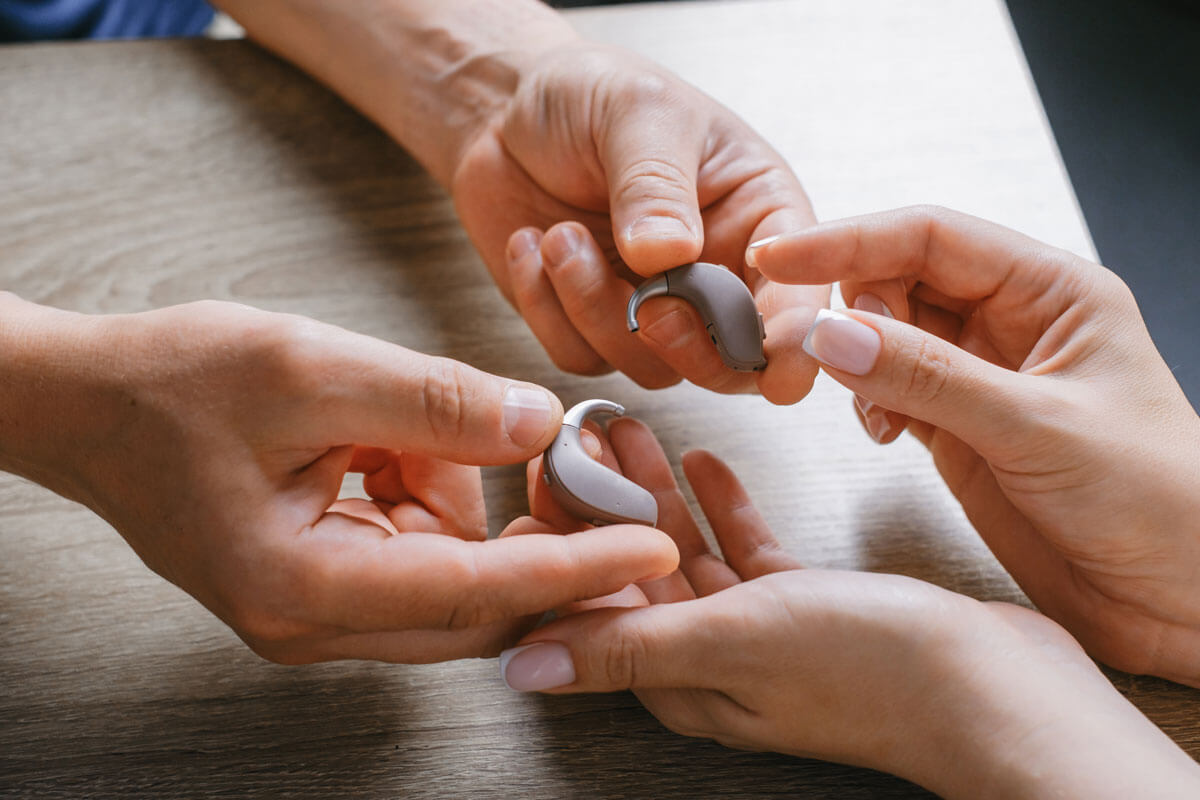
How do hearing aids accomplish all of this exactly? There are many types of aids, but the basics to keep in mind involve a microphone that captures sound waves from the environment and transforms them into digital signals.
The amplifier processes these signals and enhances certain frequencies based on the results of your audiologist’s hearing test. The receiver then converts the amplified signals back into sound waves and sends them to the ear canal.
Why Professional Fitting Matters
A professional fitting is essential for hearing aids because it ensures that the right frequencies are enhanced to the appropriate levels. It will also help you obtain a comfortable fit so that the device is secure. This helps prevent any type of pain or the risk of having the aid fall out. With a fitting, you can also avoid any feedback while getting optimal sound quality.
A fitting is not typically a one-time event. You may require a few adjustments to get the right results, and your needs may also change over time.
FAQs
Can Hearing Aids Damage Your Hearing?
No, hearing aids that have been properly fitted cannot damage your hearing.
Why Does My Hearing Feel Worse Without Hearing Aids?
If you have hearing aids and remove them, you may notice that your hearing seems worse. That occurs because your brain has become used to hearing enhanced and clear sounds. When there’s an abrupt change, the contrast can seem worse than it used to be.
Do Hearing Aids Prevent Further Hearing Loss?
Hearing aids don’t physically prevent the ear’s hearing loss from progressing, but they offer huge benefits for your brain. If your brain doesn’t get sound stimulation, it can start “forgetting” how to hear, which could make hearing loss worse.
Are Over-the-Counter Hearing Aids Safe?
FDA-approved over-the-counter hearing aids are generally safe, but they are not nearly as effective as those you receive from an audiologist.
How Happy Ears Hearing Center Can Help
At Happy Ears Hearing Center, we know how stressful it can be to struggle with your hearing. You may feel regular conversations are exhausting, and performing everyday activities could be much more stressful because you’re not getting the full sound input you need.
We can help you overcome these struggles and reclaim your quality of life. Your audiologist can assess your hearing loss and determine what type of aid you can benefit most from. With a careful fitting, you can get the healing support you need. Schedule a visit with our team to learn more about your options today.
